Adam Rainoff Photographer
“If my photos can help save just one species from extinction, then everything I’ve done will be worth it.”
Conservation
Protecting the birds I photograph
My goal is to help conserve these birds by helping protect the habitats they depend on and the populations that still live in them. My part is small: I photograph them, show where they live and point to the people already doing the work on the ground.
This page is about what happens after the shutter. Here you’ll meet the birds that most need attention and the places that still hold them. You’ll also meet the partners in conservation who keep those places wild. Every story comes from somewhere I have stood, and every one points to something you can see, support or visit.
Red List status
The birds that need us most
Most of the birds I photograph are still common. A few carry a higher threat category on the IUCN Red List, and those are the ones I most want people to meet. Each of them lives in a named place, and each of those places has people working to keep it. When a traveler comes to see one of these birds, that bird becomes a reason to protect the land around it.
- Endangered 1
- Vulnerable 6
- Near Threatened 5
- Least Concern, decreasing 216
- Least Concern, not decreasing 226
Decreasing: Least Concern species whose IUCN population trend is decreasing.
Endangered
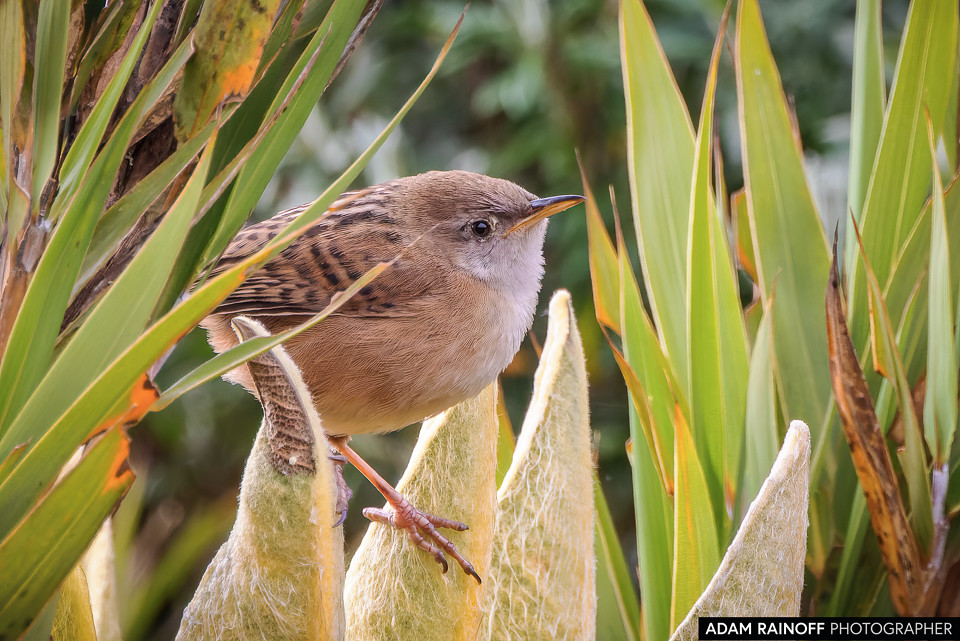
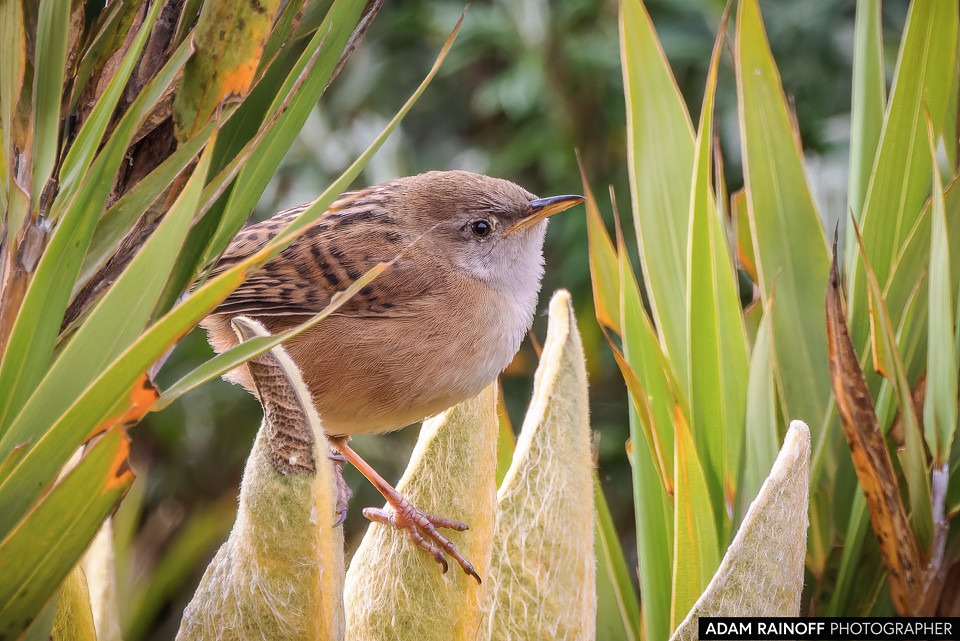
Apolinar’s Wren
Cistothorus apolinari
Endangered · Páramo de Siscunsí, Colombia · February 2021
Vulnerable
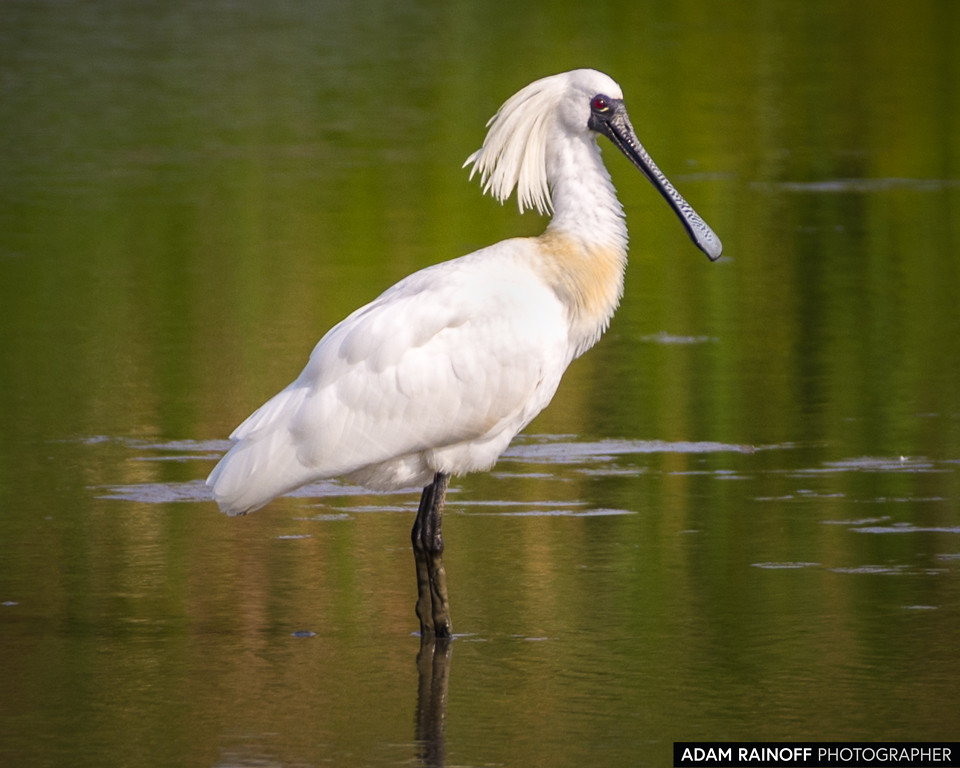
Black-faced Spoonbill
Platalea minor
Vulnerable · near Mai Po Marshes, Hong Kong, China · March 2018

Brown-banded Antpitta
Grallaria milleri
Vulnerable · Río Blanco reserve, Colombia · June 2017
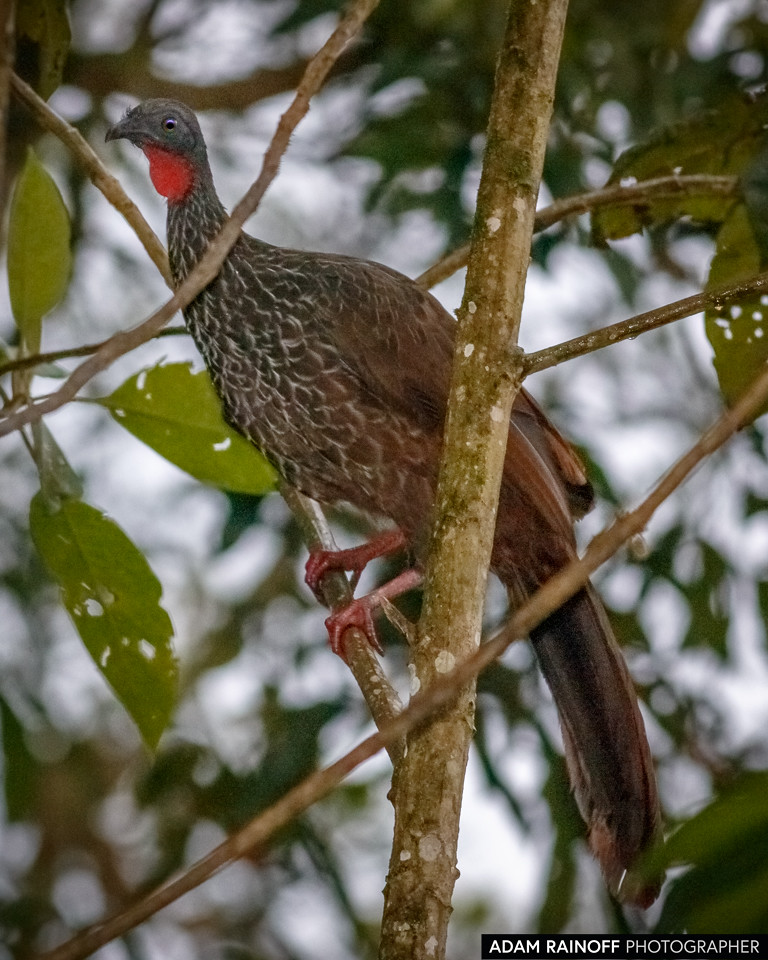
Cauca Guan
Penelope perspicax
Vulnerable · Otún Quimbaya Fauna and Flora Sanctuary, Colombia · June 2017
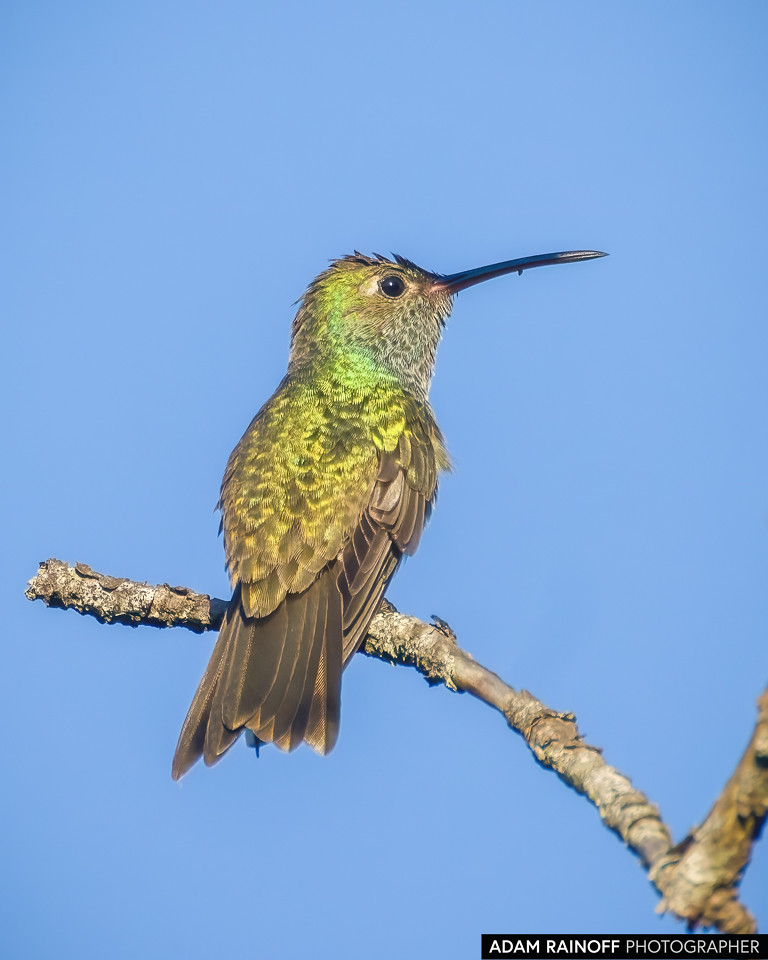
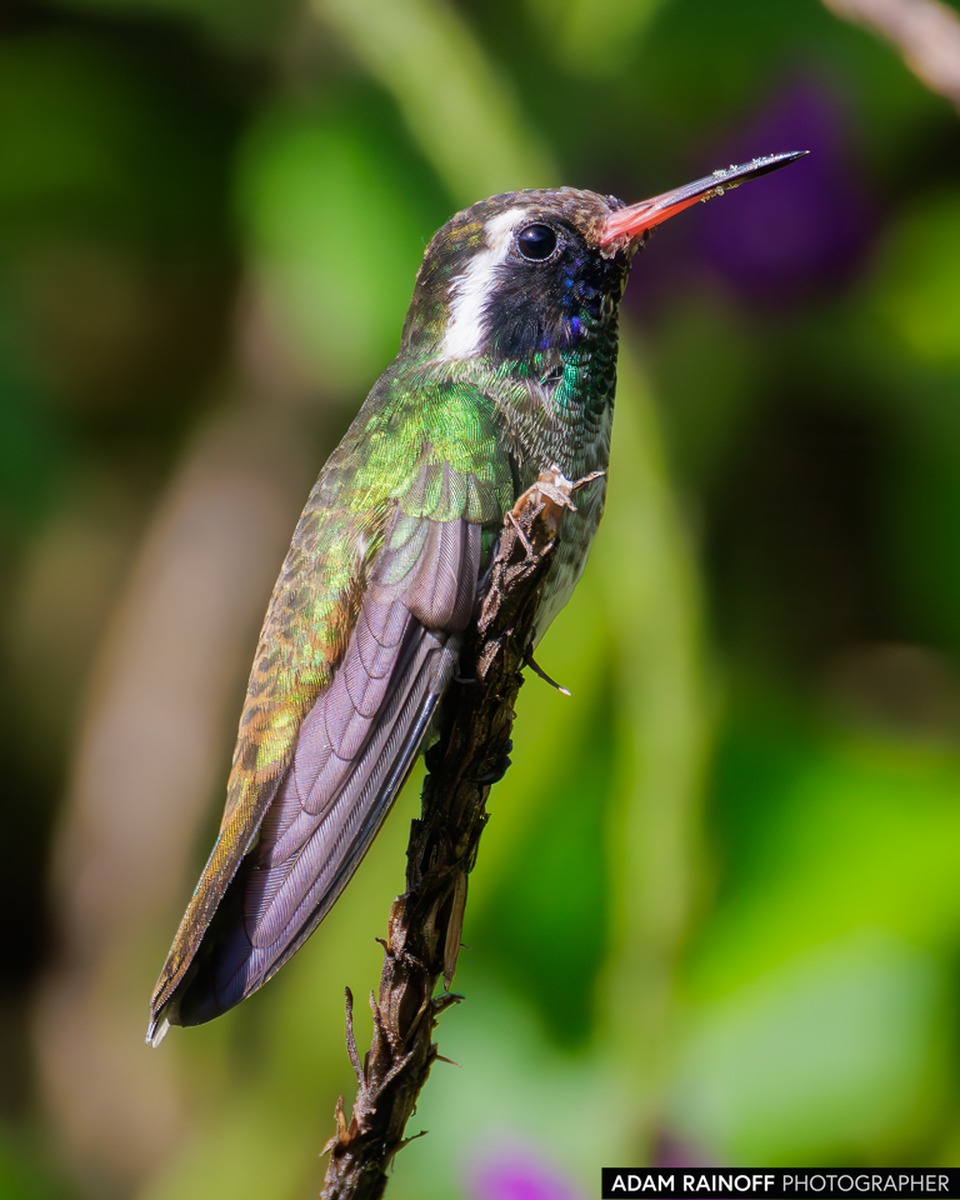
Honduran Emerald
Amazilia luciae
Vulnerable · La Marimba, Honduras · January 2022
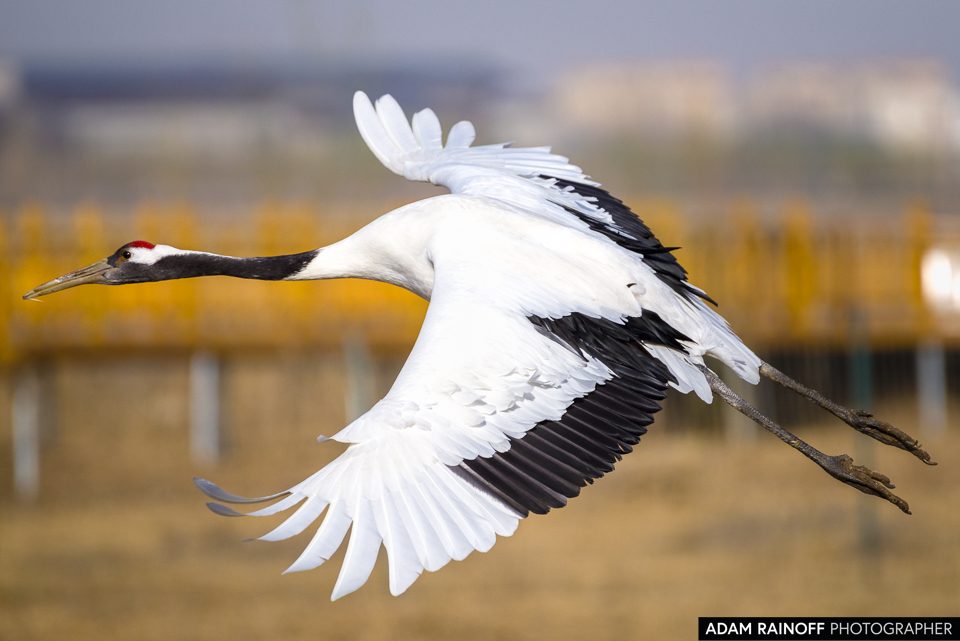
Red-crowned Crane
Grus japonensis
Vulnerable · population trend: decreasing · Zhangye National Wetland Park, Gansu, China

Yellow-eared Parrot
Ognorhynchus icterotis
Vulnerable · population trend: increasing · near Roncesvalles, Colombia · July 2024
Near Threatened

Eastern Meadowlark
Sturnella magna
Near Threatened · La Florida, Colombia · June 2017

Least Sandpiper
Calidris minutilla
Near Threatened · Reserva Natural El Encanto de Guanapalo, Colombia · February 2019

Multicolored Tanager
Chlorochrysa nitidissima
Near Threatened · La Minga Ecolodge, Colombia · February 2021

Scarlet-fronted Parakeet
Psittacara wagleri
Near Threatened · near Yacuanquer, Colombia · November 2021
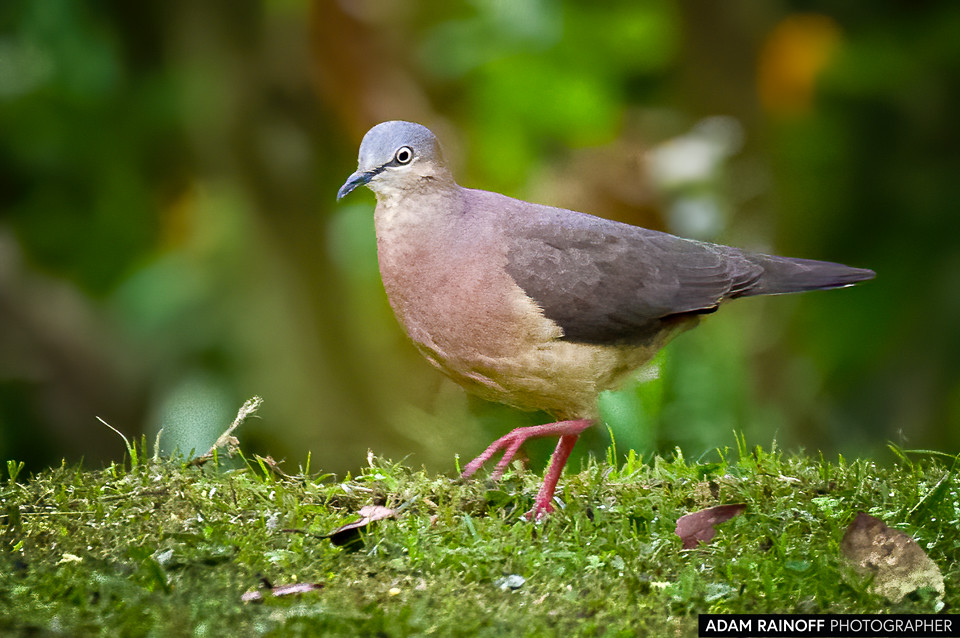
Tolima Dove
Leptotila conoveri
Near Threatened · Ukuku Rural Lodge, Colombia · June 2019
Notes from the field
Apolinar’s Wren (Cistothorus apolinari)
Endangered · population trend: decreasing · Páramo de Siscunsí, Boyacá, Colombia
I found this wren at about 3,700 meters in the Páramo de Siscunsí above Sogamoso, among the frailejones that dot the high grassland. It lives only in Colombia, and its páramo is protected within the Siscunsí–Ocetá Regional Natural Park. Every visitor who comes to hear it gives that protection one more reason to stay strong.
Honduran Emerald (Amazilia luciae)
Vulnerable · population trend: decreasing · La Marimba, Gracias, Lempira, Honduras
This hummingbird lives only in Honduras, in dry forest, thorn forest and scrub. I photographed it at La Marimba, outside Gracias. The main threat it faces is the continuing conversion of its habitat to farms and homes, so every visitor who comes to see it shows that this dry forest is worth more left standing.
Multicolored Tanager (Chlorochrysa nitidissima)
Near Threatened · population trend: decreasing · La Minga Ecolodge, Dapa, Valle del Cauca, Colombia
I photographed this tanager at La Minga Ecolodge in Dapa, above Cali. It is one of Colombia’s endemic birds, found only in wet montane forest of the Western and Central Andes. The San Antonio cloud forest at Kilometer 18, where the lodge sits, is recognized as an Important Bird Area and a Key Biodiversity Area, and the Multicolored Tanager is one of the Near Threatened birds noted there.
Population trend: decreasing
Common birds are declining too
A Least Concern listing can sound like good news, but it doesn’t always mean a bird is doing well. Of all 454 species in my stories, 226 carry the IUCN Red List population trend: decreasing. Most of them are still listed as Least Concern: 216 of the 442 Least Concern species I’ve photographed are decreasing (IUCN, checked 18 Oct 2026). Their numbers are falling while they are still a common sight.
I want people to meet these birds while they are still common. Conservation works best when it starts before a species becomes threatened, while there is still habitat to protect and a population worth protecting it for. Each bird below has a decreasing population trend and a named place where you can still see it.
Counts from the IUCN Red List population trend quoted on each of my published stories, updated live. The Least Concern figures were checked on the IUCN Red List on 18 Oct 2026.
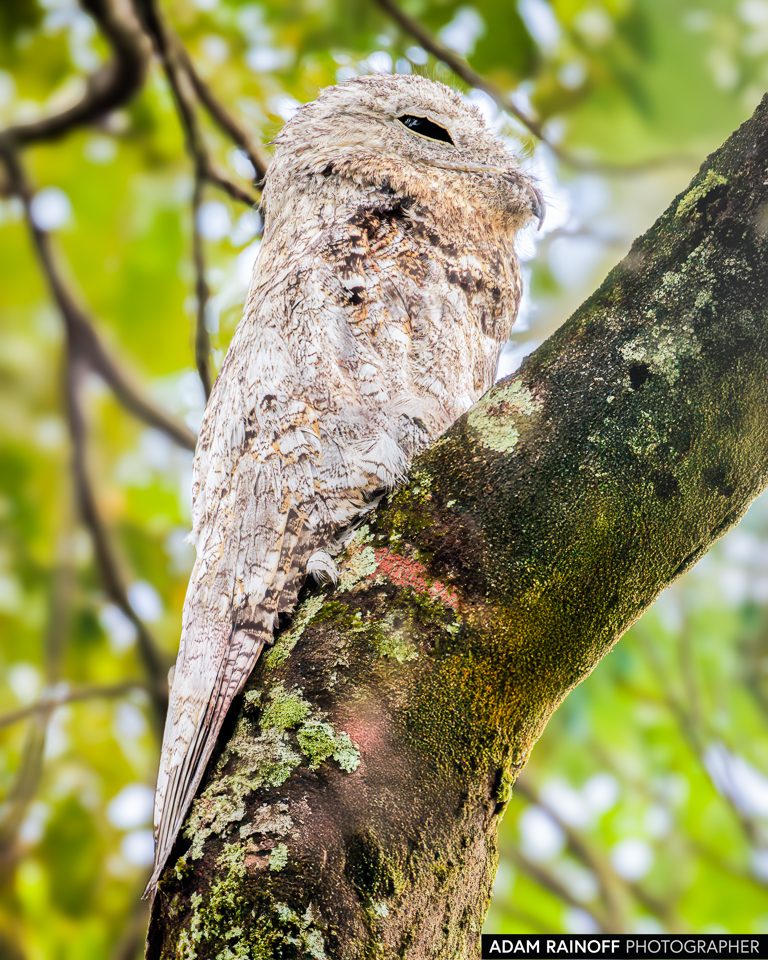
Great Potoo
Nyctibius grandis
Least Concern · population trend: decreasing · Restrepo, Colombia
A remote sensing study found that habitat within the range has been lost at a rate of 7% over three generations (23.4 years; Tracewski et al. 2016). Source: IUCN Red List
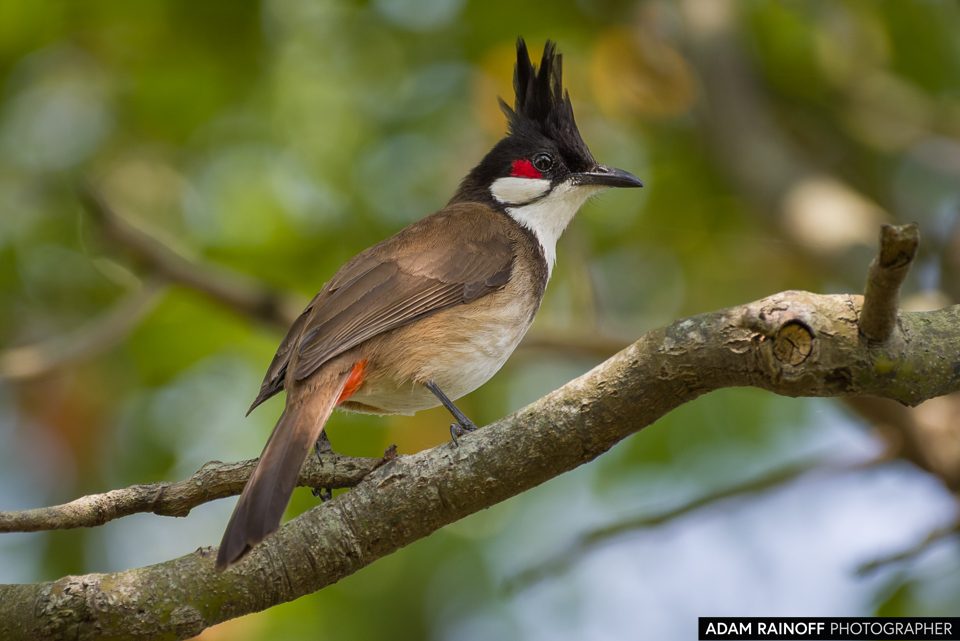
Red-whiskered Bulbul
Pycnonotus jocosus
Least Concern · population trend: decreasing · Mai Po Nature Reserve, Hong Kong, China
The population is estimated to be in decline following local declines and extinctions owing to hunting and trapping pressure (del Hoyo et al. 2005). Source: IUCN Red List
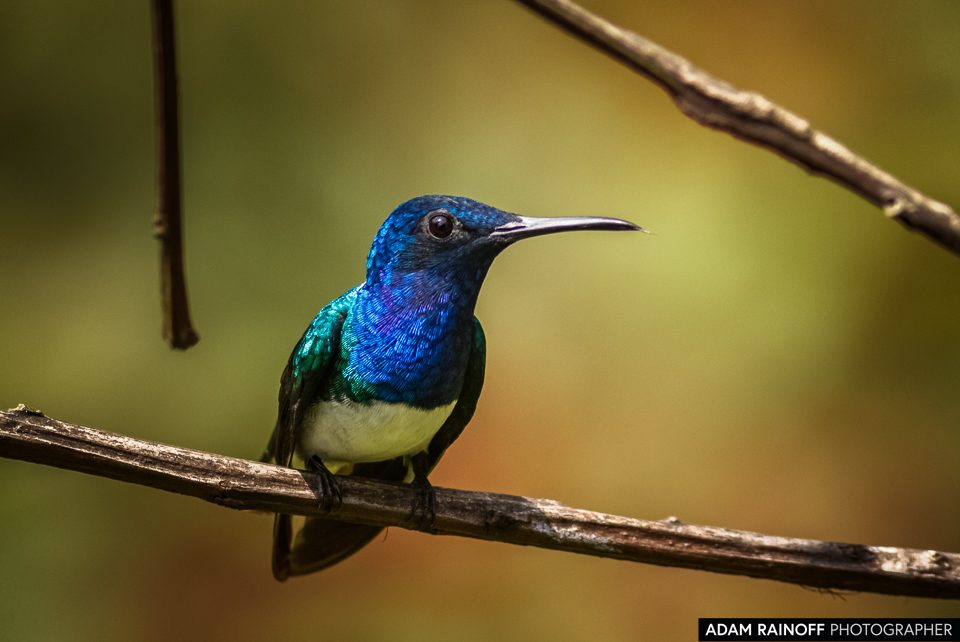
White-necked Jacobin
Florisuga mellivora
Least Concern · population trend: decreasing · Jardín Botánico del Quindío, Colombia

Great Spotted Woodpecker
Dendrocopos major
Least Concern · population trend: decreasing · Zhangye National Wetland Park, China
Declines in eastern Europe, and globally tree cover is estimated to have declined by 6.6% within its mapped range over the past 10 years (Global Forest Watch 2022). Source: IUCN Red List

Buff-tailed Coronet
Boissonneaua flavescens
Least Concern · population trend: decreasing · Río Blanco reserve, Colombia
High dependency on forest habitat; tree cover is estimated to have declined by 1.4% within its mapped range over the past ten years (Global Forest Watch 2022). Source: IUCN Red List

Long-tailed Sylph
Aglaiocercus kingii
Least Concern · population trend: decreasing · Río Blanco reserve, Colombia
Suspected to be declining locally owing to ongoing habitat loss and habitat degradation caused by widespread gold mining in the past (del Hoyo et al. 1999). Source: IUCN Red List
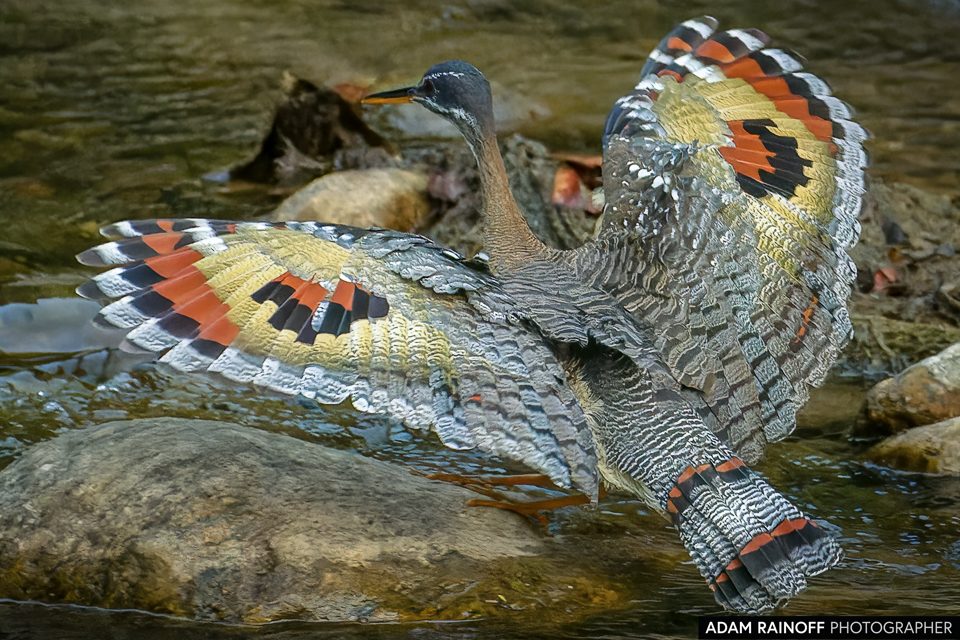
Sunbittern
Eurypyga helias
Least Concern · population trend: decreasing · Quebrada Las Doradas, Colombia
A remote sensing study found that habitat within the range was lost at a rate of 12% over three generations (42.6 years; Tracewski et al. 2016). Source: IUCN Red List

Steely-vented Hummingbird
Saucerottia saucerottei
Least Concern · population trend: decreasing · Calarcá, Colombia
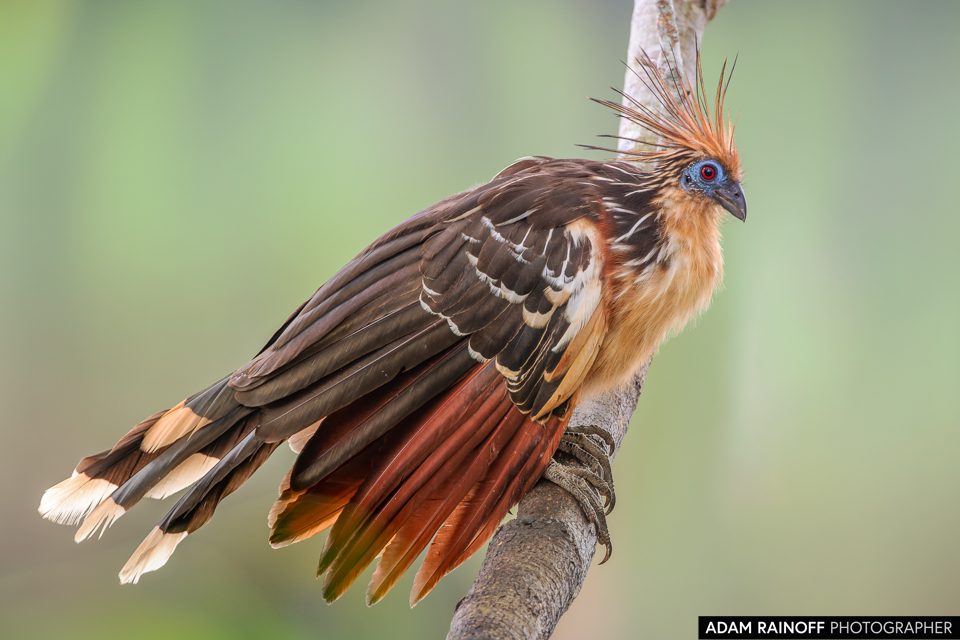
Hoatzin
Opisthocomus hoazin
Least Concern · population trend: decreasing · Nukak Eco Lodge, Colombia
Conservation breeding
A second chance, with safeguards
Sometimes a species needs more than protected land. Under the IUCN’s guidelines, breeding birds under human care can serve as an insurance population, a way to rebuild numbers or a source of birds to return to places they’ve vanished from. Before any bird is released, the IUCN also requires that the original threats be removed, with disease checks, careful genetic choices and monitoring afterwards. Some of the birds I photograph came back this way, and others recovered with almost no breeding at all. What made the difference every time was habitat.
Red-crowned Crane
Grus japonensis
Vulnerable · population trend: decreasing · Zhangye National Wetland Park, Gansu, China · March 2018
China’s Zhalong reserve has been breeding cranes since 1976, and about 380 captive-bred cranes have been released into the wild. In Japan, where the species was once thought lost, winter feeding by local people helped 33 birds in 1952 grow to about 1,800 with no captive breeding at all.

Scarlet Macaw
Ara macao
Least Concern · population trend: decreasing · Pozos La Chorrera, near Acacías, Meta, Colombia · January 2020
At Copán Ruinas in Honduras, Macaw Mountain has released rescued and aviary-bred macaws since 2011. By 2024, according to the World Parrot Trust, its partners at PRO-ALAS were monitoring 43 wild nests in the valley, most of them nest boxes.
Cauca Guan
Penelope perspicax
Vulnerable · population trend: decreasing · Otún Quimbaya Fauna and Flora Sanctuary, Colombia · June 2017
The Cali Zoo has bred a small group since 1994, but none have been released. This guan’s future depends on protecting and reconnecting its forests.

Bald Eagle
Haliaeetus leucocephalus
Least Concern · population trend: increasing · Apopka, Florida, USA
Captive-bred eaglets were placed in wild nests and raised on hacking towers, but only after DDT was banned. The lower 48 states went from about 487 nesting pairs in 1963 to 9,789 in 2007.
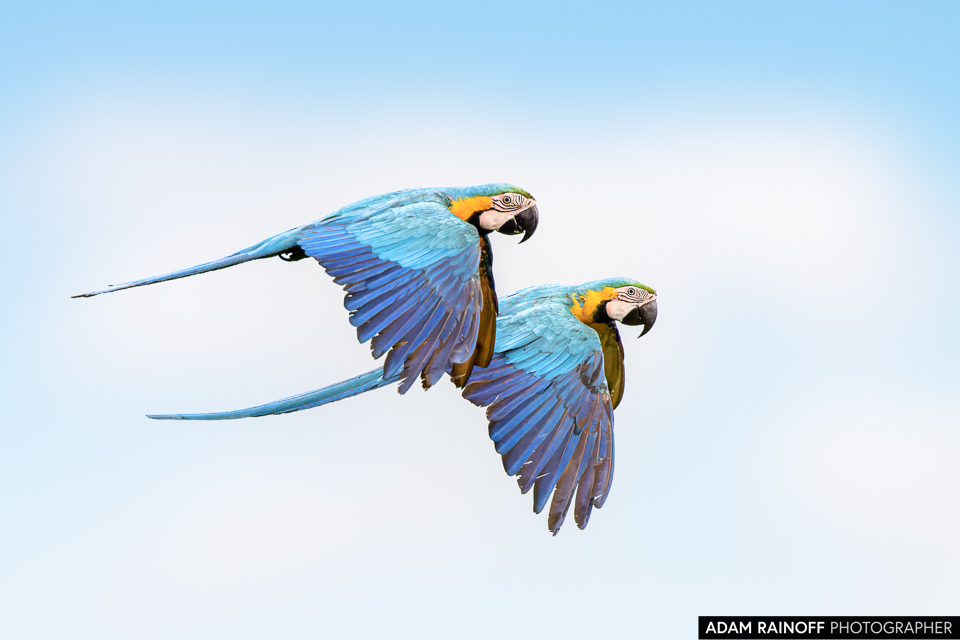
Blue-and-yellow Macaw
Ara ararauna
Least Concern · population trend: decreasing · near El Doncello, Caquetá, Colombia · February 2021
Poaching wiped this macaw out on Trinidad in the 1960s. After quarantine and disease testing, birds brought from Guyana were released in the Nariva Swamp, and 26 of the 31 survived.
Yellow-eared Parrot
Ognorhynchus icterotis
Vulnerable · population trend: increasing · near Roncesvalles, Colombia · July 2024
With no breeding program at all, this parrot went from 81 birds in 1999 to well over 1,000. That came from protecting wax palms, putting up nest boxes and working with communities, and according to ProAves, conservation action helped pull it back from the brink of extinction.

Black-faced Spoonbill
Platalea minor
Vulnerable · population trend: stable · near Mai Po Marshes, Hong Kong, China · March 2018
According to The Korea Times, South Korea has raised and released a few rescued chicks, but protected wetlands did most of the work. The 2024 census counted 6,988 birds.
Recovery
Proof that protection works
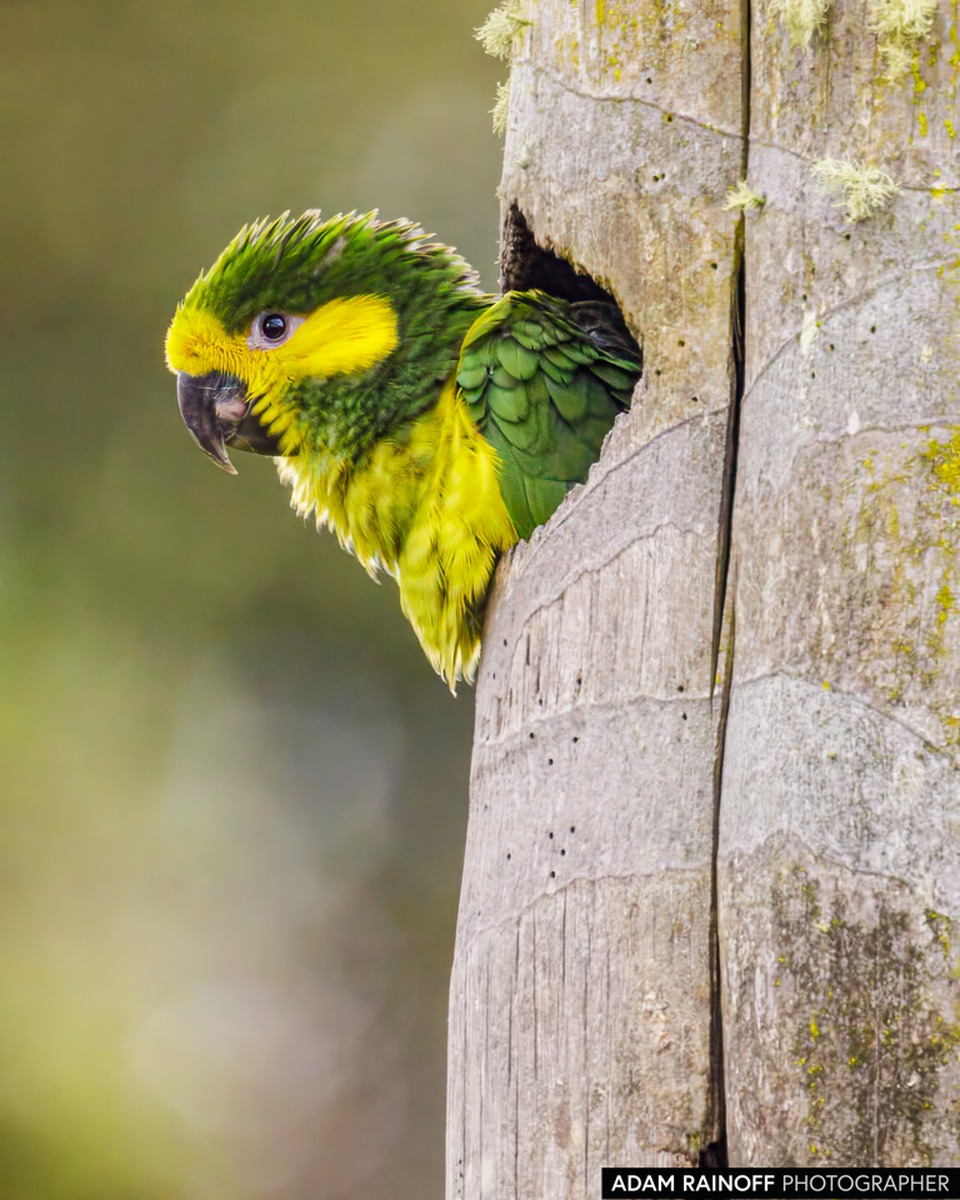
In the Andes above Roncesvalles, Tolima, I photographed a Yellow-eared Parrot perched beside a pale trunk at the Mirador de Las Palmas lookout. The parrot depends on the Quindío wax palm and nests in the hollow trunks of dead palms. Hunting and the cutting of wax palms for Palm Sunday drove its decline.
Fundación ProAves led a national Palm Sunday campaign to protect the wax palm, and in 2004 Colombia’s Catholic Church ended the use of wax palm fronds in Palm Sunday processions. The IUCN Red List now classifies the bird as Vulnerable with an increasing population trend. BirdLife reports that intensive conservation work, led by Fundación ProAves, brought it from 81 birds in 1999 to about 2,600 in 2019. ProAves’s Roncesvalles reserve, about 4,000 hectares, protects the palm forest the parrot needs.
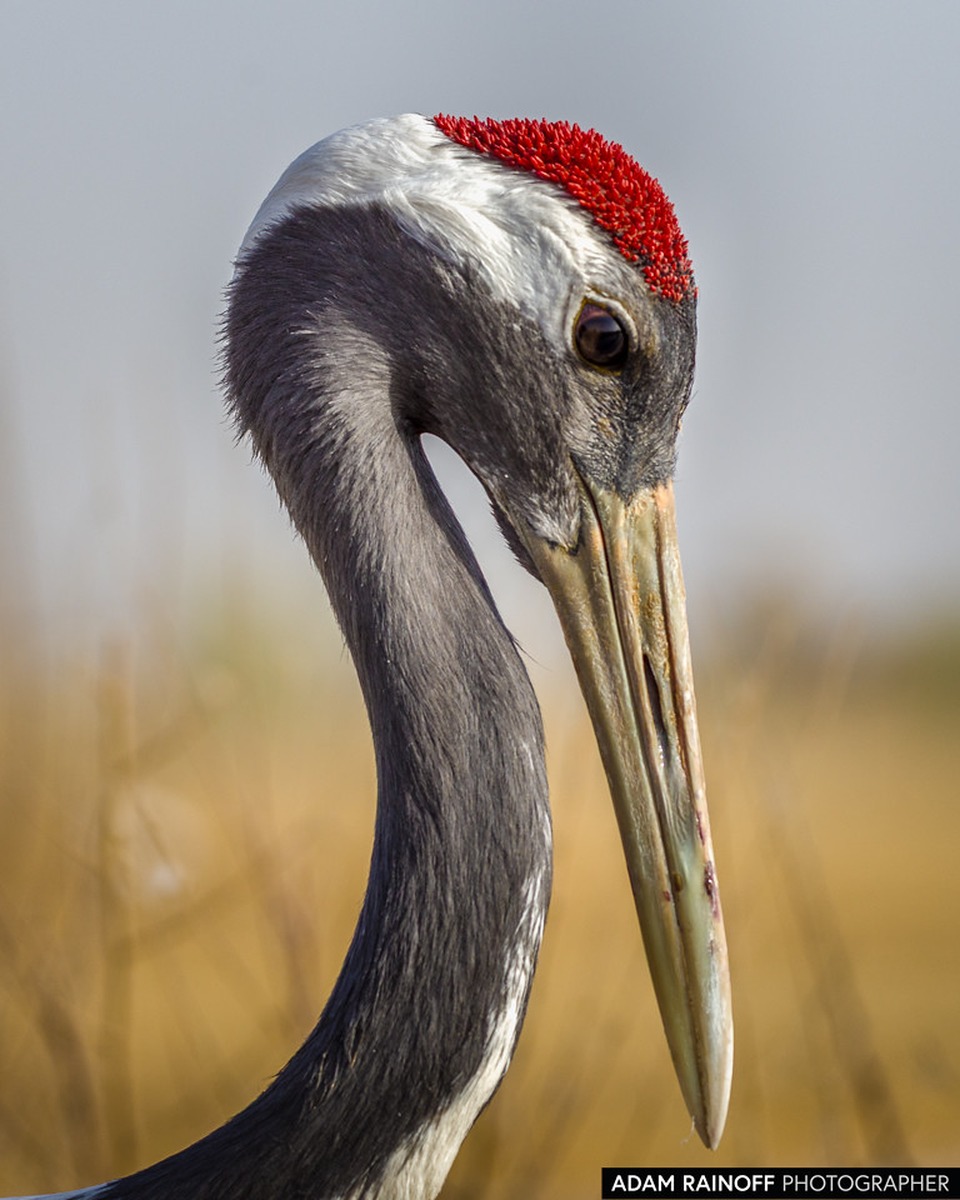
The Red-crowned Crane in Japan shows that recovery can happen. The species is listed as Vulnerable with a decreasing population trend, yet BirdLife notes that its island population in Japan has grown. I photographed my cranes at Zhangye National Wetland Park in Gansu, China. When people decide a bird is worth the effort, it can come back, and that is the story I want every visitor to carry home.
Habitat
Places under pressure
A bird is only as safe as the place where it lives. These are some of the places in my stories where the land and water are under pressure. In each of them, people are already working to keep the place wild. Seeing them in a photograph is the first step, and going to see them is the next.
Zhangye wetlands
Gansu, China
Zhangye, where I photographed Red-crowned Cranes at the national wetland park, is also home to the Zhangye Heihe Wetland National Nature Reserve. The reserve covers 41,164 hectares and is listed as a Wetland of International Importance.
Isla Terrón de Azúcar
Capurganá, Chocó, Colombia
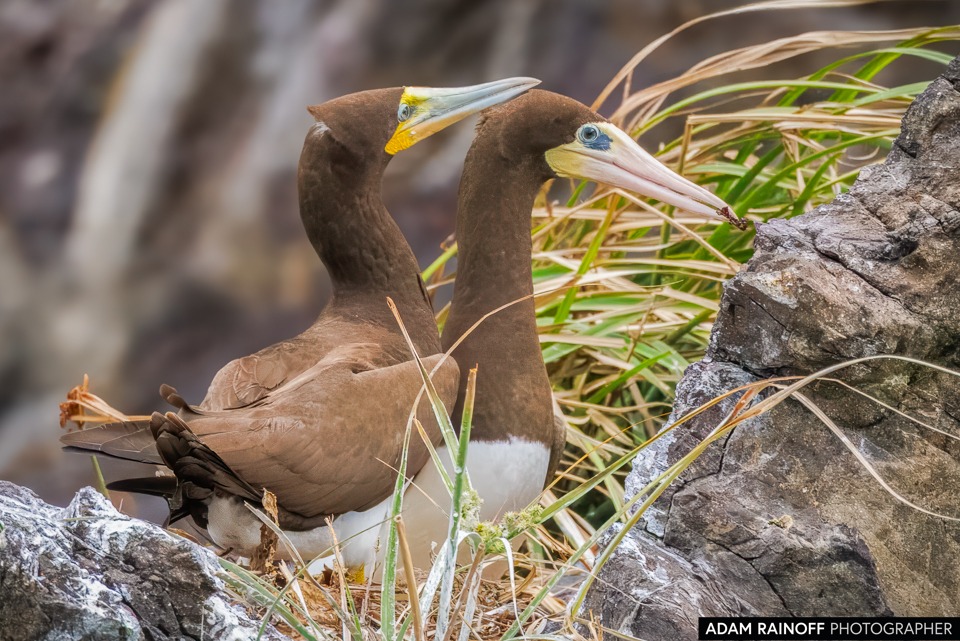
I photographed two Brown Boobies resting on sunlit black rock from a fishing boat in rough water off Capurganá. The Brown Booby is listed as Least Concern with a decreasing population trend, and researchers have found marine debris, much of it plastic, in its nests across the tropics, as plastic in the ocean keeps increasing. A small island like this one shows how what we throw away on land reaches the birds at sea.
Celaque
Lempira, Honduras
Celaque protects Cerro Las Minas, at 2,849 meters the highest point in Honduras. Its watersheds supply water to more than 53,000 people in 108 communities, including Gracias, where I photographed the Honduran Emerald. Keeping this forest wild matters for the birds and for every town downstream.
Partners
Local partners in conservation
Programa de Aves Urbanas Colombia
With Programa de Aves Urbanas Colombia, I lead photo walks that show city dwellers how to photograph the birds living right around them. When people discover the birds in their own neighborhood, they start to care about protecting them, and that is where conservation begins.
Global Wildlife Fair
At the Global Wildlife Fair, I shared my experiences from Colombia and Honduras with conservationists from across Asia. We exchanged ideas across continents, building partnerships in conservation that reach far beyond the places where I photograph.
COASCOPAN, Honduras
Together with COASCOPAN, I helped organize bird fairs in Honduras, including the first bird fair in Santa Rosa de Copán. These fairs bring the community together to celebrate the birds of its region and to see them as something worth protecting.
Travel
See these places for yourself
You don’t need a camera to be part of this. Every story on this site names its place: the lodges, reserves, wetlands, towns and community sites where I made the photographs, and where you can go. Wherever I can, I link the story to its eBird hotspot, so my photograph sits next to the public bird list for that place. So far, 189 stories are linked to 34 hotspots.
When you go, travel with a local guide, stay with the people who live there and visit responsibly, so the money and attention you bring stay in the valley. If a story moves you, send it to someone who would love that place, because that’s how a quiet wetland finds its next visitor.
Adam Rainoff Photographer
“These remote areas hold the hidden gems of nature, ready to be shared with the world and inspire conservation.”
My aim
Protect the places, protect the birds
Everything on this page comes back to one aim: helping conserve these species by protecting their habitats and the populations that depend on them. If one of these birds stays with you, go and see the place where it lives and support the local partners in conservation who look after it. Each visit and each bit of support adds to the protection those habitats need.