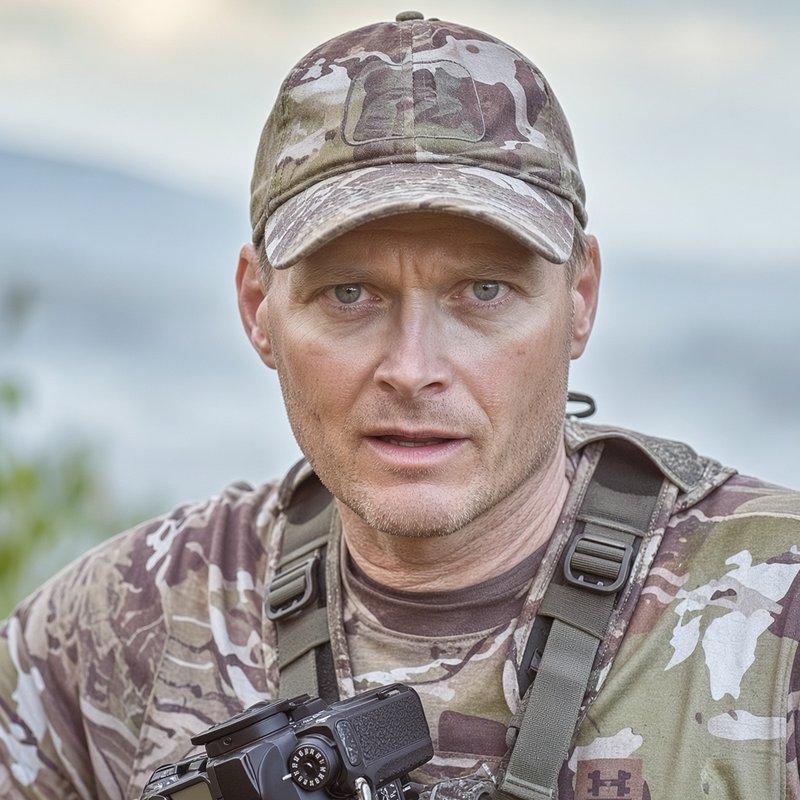
Adam Rainoff Photographer
“I go where the stories take me and capture the images when I get there.”
My mission
Keeping wild places wild
I travel to remote places to photograph birds in the wild: jungle and cloud forest, grassland and savannah, the protected páramos of Colombia. Many of these places are hard to reach, and few travelers have heard their names. Yet they hold some of the richest bird life on Earth, and the people who live beside it already know what it is worth.
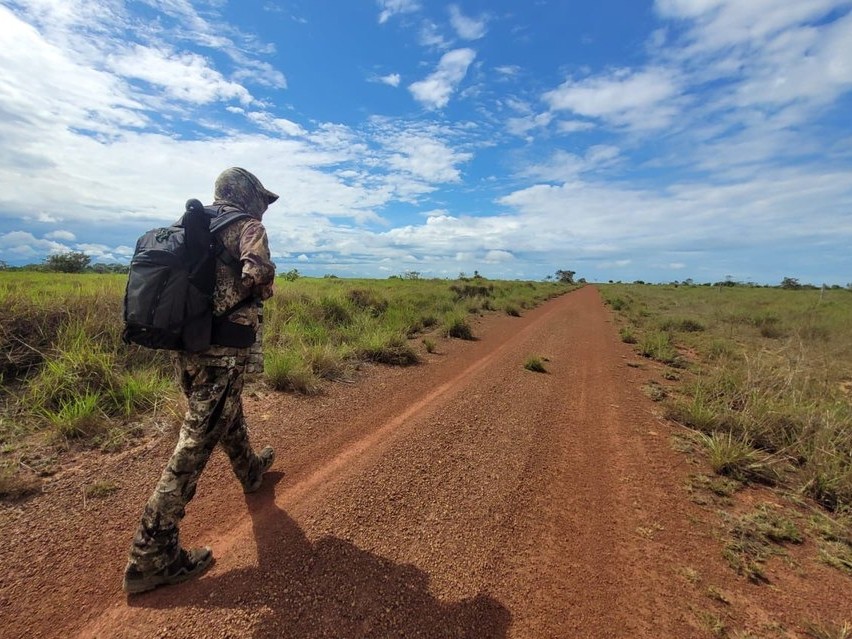
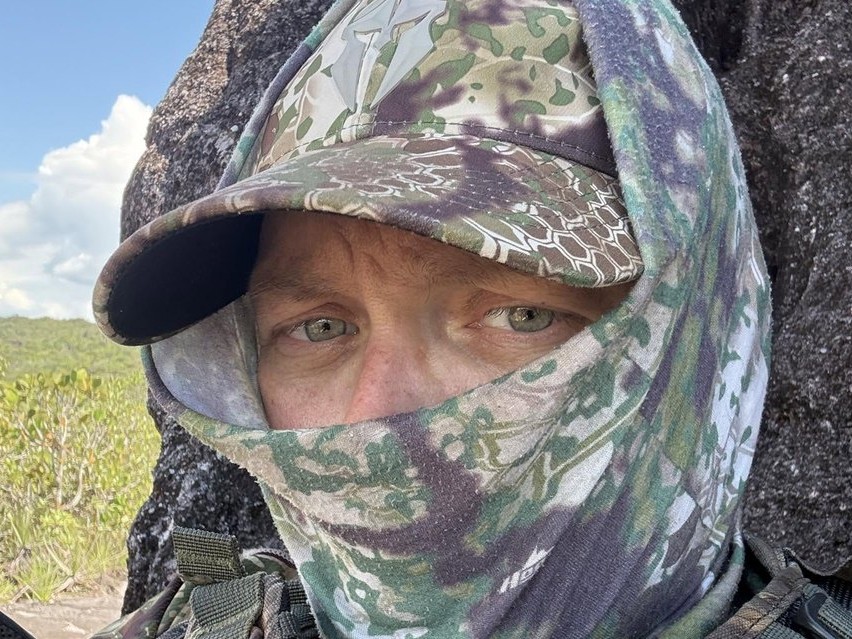
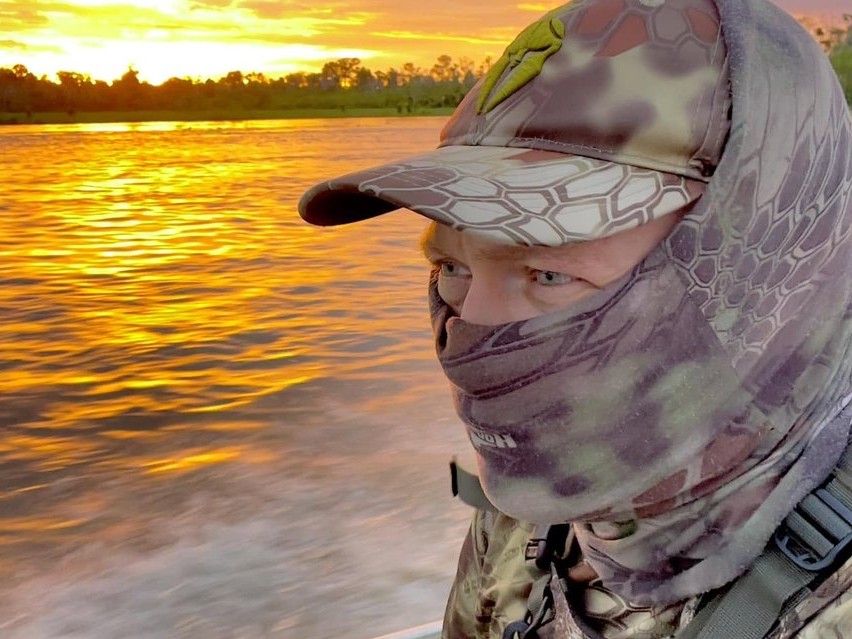
My work starts on foot. I hike mountain trails before sunrise, wait in the forest for a bird to step into the light, and shoot from small boats where the water meets the trees. Everything is handheld, so I can go wherever the birds are. Alongside the photographs I film short videos of the place and the fieldwork, so people can see what it is really like to stand there.
Then I give the work away. I donate my images to local conservation partners, such as lodges, guides and community projects, who use them in their social media and advertising to grow ecotourism. Every image carries its place and its story, so the people who see it know exactly where to go.
Every visitor who comes to see what lives there makes the ecosystem worth more as it stands. That is the whole idea: show the world what is already there, bring people to see it, and help those places stay wild for the next generation.
How it works
The mission in three steps
Each image I make has a job to do. It has to show a place at its best, tell people where that place is, and put that story in the hands of the people who will welcome visitors.
Adam Rainoff Photographer
“Anyone can take a photograph. Telling its story takes time, patience and being there.”
Who I am
In the field
Behind every number is a day outside, on the trail, in the jungle or on the water. Today my work centers on Latin America and Asia.
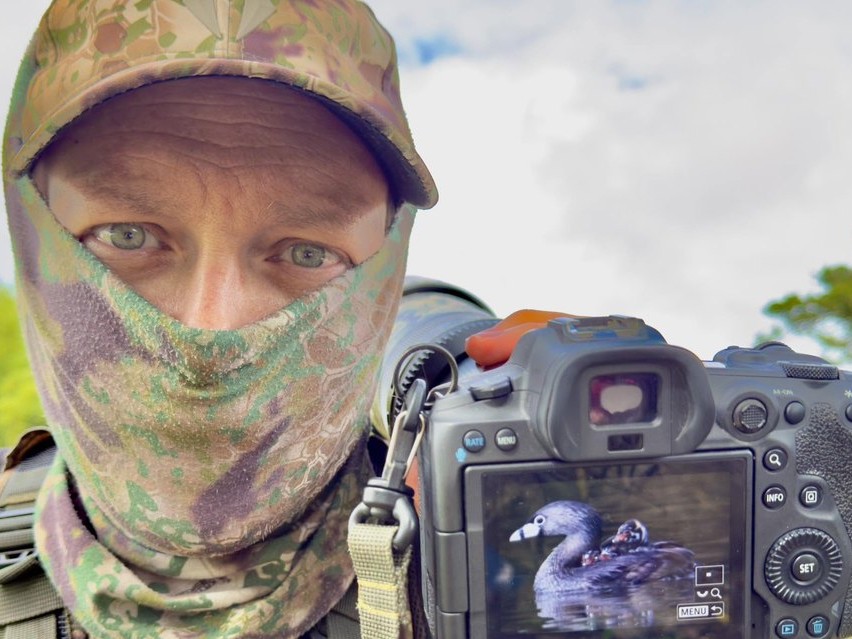
I shoot handheld, always. My kit is a Canon EOS R5, the RF 800mm f/11 and a 1.4x extender: 1,120mm of reach in a package light enough to carry anywhere. Traveling light keeps me moving, and it lets me go wherever local partners can lead me.
The work has found its way into larger efforts. One of my photographs went to work for the World Monuments Fund, helping support the restoration of the Chapel of the Sorbonne, Cardinal Richelieu’s 17th-century jewel in the heart of Paris’s Latin Quarter. My photographs have supported conservation efforts connected to the Cornell Lab of Ornithology, BirdWeather and Programa de Aves Urbanas Colombia. Beyond birds, one travel photo, a Buddhist temple in China, was published in Viajes National Geographic (Spain, issue #231, June 2019). In October 2025 I joined the Global Wildlife Fair in New Delhi, India, as an exhibitor, presenter and speaker.
Where my work has appeared


Adam Rainoff Photographer
“The camera captures the light. The image then becomes a tool for awareness, inspiration and conservation.”
The story
The photo is only the beginning
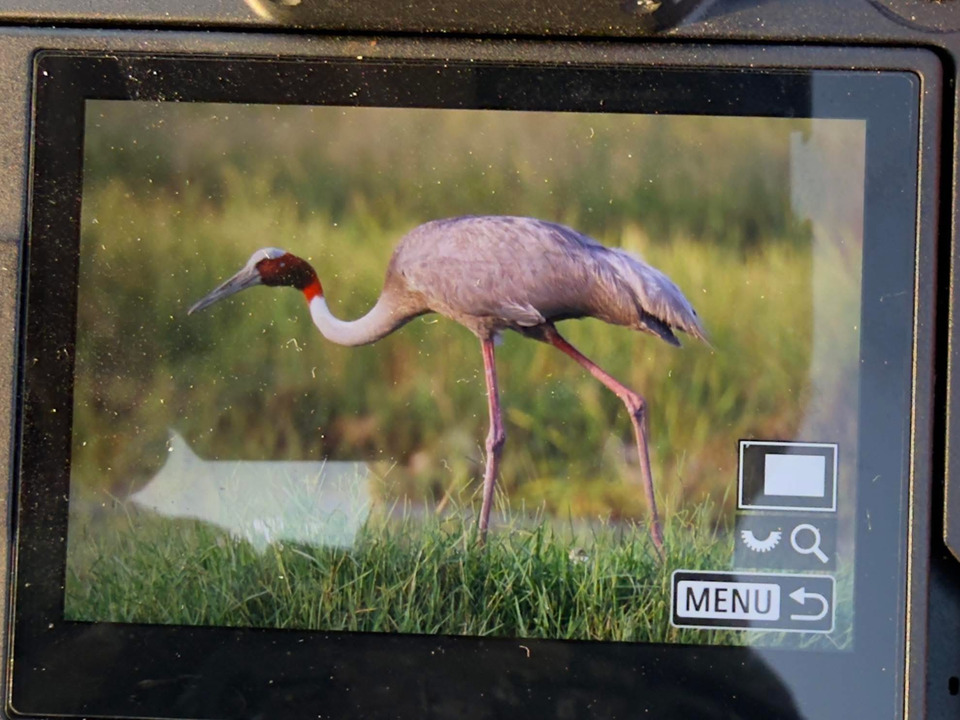
There are plenty of beautiful bird photos, but on their own they are just pretty pictures. What gives a photo meaning is everything around it: where it was taken, what that place is like, what it needs and what we can do to keep it wild.
That is the part I care about most. I don’t stop at the shutter. I bring back the whole story, so people want to go there and feel what I felt standing in that place, at that moment, with that bird in front of me.
A story turns a picture into an invitation. When people know the name of the valley, the forest the bird depends on and the guides who know where to find it, they can picture themselves there. They start to plan. And when they arrive, their visit supports the people who keep that place thriving.
That takes time. It means coming back at first light, learning the place from the people who live there and waiting for the moment that shows what makes it special. Every image I share carries that work with it, so the place gets the attention it deserves.
Adam Rainoff Photographer
“Birds can tell us whether the land is thriving or dying. We must listen to them and trust them, for they are the heartbeat of the earth.”
Why birds
Birds tell us the land is thriving
Every story starts with the birds. Where they thrive, the whole ecosystem thrives with them. A forest full of song is a forest that works, and people feel at once what is worth keeping. Birds are also an early signal: of the 454 species I have photographed, 226 have a decreasing population trend.
Birds bring something else, too: visitors. Surveyed birders said they would pay about US$310 a day for a birding tour in Colombia, roughly twice what the average vacation visitor spends in a day. That puts them at the top of the tourism pyramid.
And that value reaches the people who live closest to the birds. Communities that once saw birds only as a resource now guide travelers to see them, and in a Belize pilot, trained guides’ incomes rose 47%. A bird in a standing forest is an invitation. It says this place is already valuable. Come see it. Help keep it.
By the numbers
Where the birds are
Some places hold a share of the world’s birds far beyond their size. Colombia, Indonesia, China and India are four of them. The numbers below show what these places hold, and why every visitor who comes to see their birds helps keep them thriving.
The tourism pyramid
Birders sit at the top: fewer visitors, higher spend (conceptual).
Conceptual tiers; Colombia figures differ in year and method (measured spend vs. stated willingness to pay). Sources: DANE EVI Apr–Jun 2024; Conservation Strategy Fund, Universidad de los Andes & National Audubon Society (2016 survey, World Development 2018).
Reach
Where the stories get seen
An invitation only works if people receive it. The images I donate help partners speak to travelers. My own channels do the other half of the job, carrying named places, their birds and the fieldwork to people who did not know these destinations existed. The number of followers is not the point. A large page can have millions of followers and still get only a few hundred likes on a photo. What matters is engagement and reach: how many people actually see a place, stop, share it and start to imagine going there.
Each platform reaches a different audience, and each one does a different job for the places I photograph. Together they turn a remote valley or a quiet wetland into somewhere a stranger can picture, and then plan to visit.

On Facebook I reach my largest audience: a broad, worldwide community of nature lovers, families and travelers who share what moves them. A single bird story there can travel far beyond birders, so it is the best place to put a remote destination in front of everyday people who might one day plan a trip.


Instagram is visual and fast, and it is where many people browse for travel ideas. I publish photographs and short location videos tagged with the place and its partners, leading people straight to the lodges, guides and communities they can contact.

On TikTok I bring my still images to life. With the help of technology, I turn photographs into short action videos that let a bird move, call and take flight again, reaching a younger audience and introducing the next generation of travelers and conservationists to places they have never heard of.

Pinterest works like a search engine for planning. People save my images for future trips, so a pinned bird or landscape keeps leading travelers to its destination for months and years after I post it.

On 500px I publish for photographers who judge craft as carefully as subject. Publishing there builds credibility with people who know photography best.

On Flickr I keep albums sorted by place, so a traveler can open one destination and move through its birds and landscapes without hunting across the feed.

Through Pixels / Fine Art America I put the work in front of people who buy art for their homes. Every print carries the bird and its place onto someone’s wall, keeping the story alive long after the first view and helping fund my next trip.

In the Canon Community I share with fellow photographers who talk technique and gear. Posting there shows how each image was made in the field and earns the respect of seasoned Canon shooters.

On LinkedIn I connect the work with conservation organizations, tourism boards and brands, the partners who can turn a single photograph into a lasting project.
Adam Rainoff Photographer
“If we show them how to photograph and share the images of birds in their community, the world will partner in their conservation efforts.”
Teaching
Everyone can do what I do
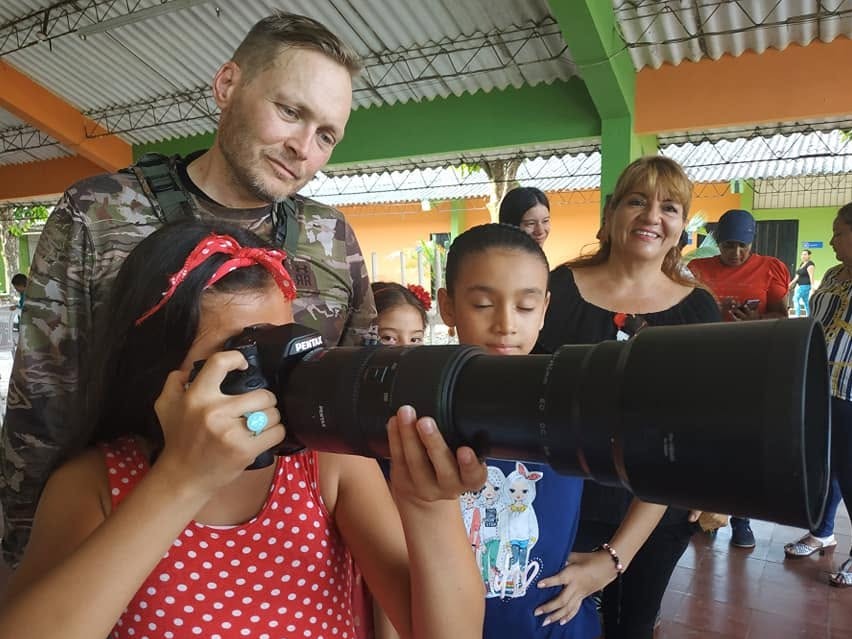
One photographer can only be in so many places. The world has far more wild corners than I could reach in a lifetime, and many of them already have someone nearby with a camera, a love for the birds and a story worth telling. So I teach.
I teach photography in remote communities, and at conferences and fairs, sharing what I have learned in the field: how to find and photograph birds in the wild, how to give each image its place and its context, and how to put the finished work in front of the people who can help keep that place thriving. My goal is to give people the tools to tell the story of their own home and the birds that share it.
I teach in both Spanish and English, so I can work directly with communities across Latin America as easily as with audiences in the United States and beyond. Teaching in someone’s own language builds trust faster, and it lets the lessons stay in the community long after I leave.
I don’t earn anything from teaching, and my classes never charge admission. Partners and sponsors donate the venue and help cover the costs, so everyone can learn for free.
Adam Rainoff Photographer
“I can’t do this alone. Every photograph can be a small act of protection, and anyone can take part. Follow my lead, or reach out and let’s work together.”
An invitation
Partner with me
Conservation works best when we work together. If you live close to wild places, you already hold something worth protecting: the birds, the understory, a trail or a valley that could welcome visitors. A backyard, a woodlot, a city edge or a remote reserve can all become part of the same story.
I look for partners in conservation, such as lodges, guides, reserves and community projects, who want to share their place with the world through ecotourism. We plan the work together, and I come to photograph your birds and landscapes side by side with you. Then I donate the images for your social media and promotion. Every photo carries your place’s name and the story of its environment, so travelers can find their way to you.
I also share our work on my own channels, bringing your place to people who would never have found it otherwise. Every partnership starts as a conversation about what you protect, who you hope to welcome and how we can tell that story together. You know your land and I bring the camera and an audience, so as partners we can show the world why it is worth keeping wild.